
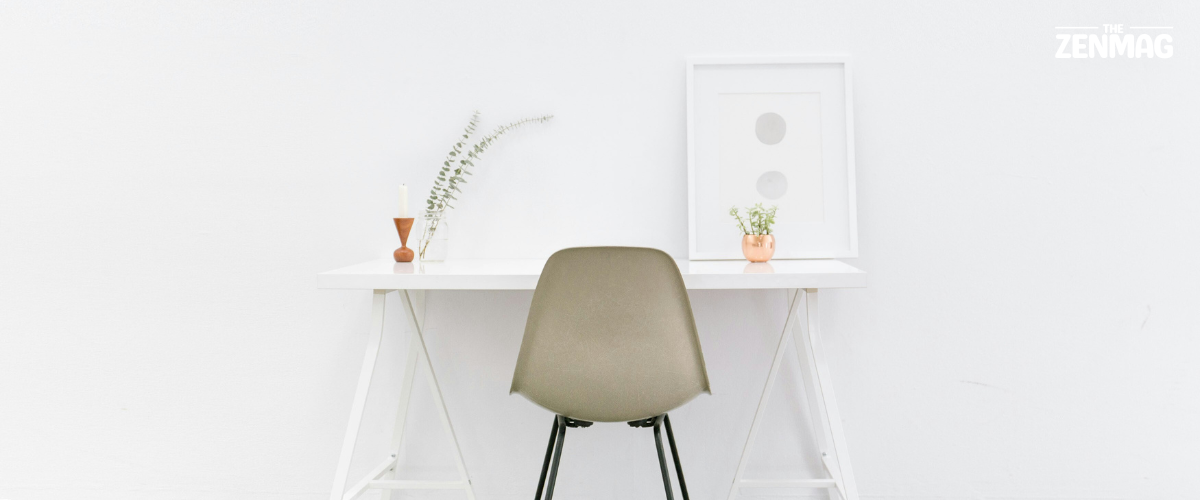
We live in a world that often tells us that more is better. More clothes, more gadgets, more goals, more noise. But at some point, the endless pursuit of more becomes exhausting. That’s where minimalism steps in, not as a trend or a harsh rulebook, but as a gentle invitation to let go of what we don’t need and focus on what truly matters.
Minimalism isn’t about living in an empty white room or owning just one pair of shoes. It’s about making conscious choices. It’s about clarity, space, and freedom. And more than anything, it’s about learning what enough feels like.
Let’s explore what minimalism teaches us and how living with less can bring more depth, peace, and intention into your everyday life.
1. Clutter Isn’t Just Physical, It’s Mental Too
When you clear out your closet or tidy your kitchen, something interesting happens: your mind feels lighter too. Physical clutter often mirrors mental clutter. Those extra things around us, unused notebooks, duplicate tools, impulse buys, carry decisions we haven’t made, and emotions we haven’t sorted through.
Minimalism teaches us that decluttering is a form of emotional release. Each item we let go of creates room for clarity. You’re not just cleaning a shelf, you’re clearing space in your head.
2. You Don’t Need Much to Be Happy
We often chase happiness in the form of stuff. A new phone, a bigger home, another online order. But once the dopamine fades, we’re back to square one, craving the next thing.
Living with less reveals a surprising truth: you already have enough to be content. A simple meal with loved ones, a walk in nature, a few meaningful belongings- these are the things that quietly nourish our joy. When you’re not constantly chasing more, you start to notice what you already have.
3. Intentional Living Is Empowering
Minimalism is ultimately about intention. You begin to ask better questions:
- Do I really need this?
- Does it support the life I want to live?
- Is this a want, a need, or a habit?
These questions help you make choices, not just about what you buy, but how you spend your time, who you spend it with, and what kind of life you’re shaping.
When you live with less, you start living with more awareness. And that awareness is powerful.
4. Freedom Feels Better Than Stuff
Every object we own comes with a cost, not just money, but space, energy, and attention. The more we own, the more we maintain. That storage cabinet, those files, the boxes in the corner, they all ask for something from us.
Minimalism teaches that freedom isn’t found in accumulation, but in release. Fewer things mean fewer worries. Less to clean, organize, ensure, and replace. With less weighing you down, you can move through life with more lightness, both literally and emotionally.
5. Simplicity Makes Space for What Matters
One of the greatest lessons of minimalism is that when you remove the excess, what’s essential becomes clearer.
You make time for quiet mornings. You create space to write, paint, or simply breathe. You begin to prioritize rest over hustle, people over performance, and presence over productivity.
This isn’t about perfection. It’s about creating a life that feels calm, not chaotic. Grounded, not overwhelmed.
6. You Don’t Need to Wait Until You Have Less to Feel Peace
Here’s a myth we often believe: “Once I declutter everything, I’ll finally feel peaceful.” But peace isn’t something that arrives after the last donation box is gone. It’s something you can experience now, by choosing less today, in small ways.
Start with your desktop, your to-do list, and your schedule. Let go of one thing. Then another. Minimalism is a practice, not a finish line. And the beauty is, you get to feel its benefits right away.
7. It’s Not About Deprivation, It’s About Alignment
Minimalism isn’t about owning nothing. It’s about owning only what supports you.
You can still love color, beauty, or bookshelves full of novels. What matters is that those things feel intentional, not accidental. They’re there because they bring value, not because you didn’t know how to say no.
Living with less doesn’t mean denying joy. It means defining it for yourself and letting go of everything that distracts from it.
8. Slowing Down Helps You See More Clearly
In a minimalist life, you slow down. You take time to pause before you purchase. You leave room in your calendar. You become more present.
That space you create isn’t empty; it’s full of potential. You start noticing the details: the smell of your coffee, the way the light moves through your home, the sound of silence. You stop rushing through life and start experiencing it.
And that, perhaps, is the heart of minimalism: not the absence of things, but the presence of awareness.
9. You Learn to Trust Yourself
Choosing less in a world that encourages more can feel radical. But each time you say no to something that doesn’t align with you, you strengthen your inner compass.
Minimalism teaches self-trust. It reminds you that you know what’s best for your energy, your home, and your values. You don’t need every trend, every gadget, every yes.
What you need is a life that feels like yours, not someone else’s idea of success.
10. Living with Less is a Quiet Rebellion, and a Loving One
Minimalism is a quiet rebellion against the noise of consumerism. But it’s not about judgment or rules. It’s about loving yourself enough to make choices that support your wellbeing.
It’s a return to what’s essential: presence, connection, peace.
In the end, minimalism isn’t about counting your possessions. It’s about discovering that the best things in life, clarity, stillness, freedom, don’t come from what you buy, but from what you let go.

I am a Mindfulness Teacher, Sound Meditation Facilitator, and a Global Wellness Consultant, based in Mumbai, India.
I help professionals and organizations worldwide integrate Mindfulness, Sound meditation, and Holistic well-being into their culture, enhancing productivity, resilience, and mental wellness. Visit my website at: www.GayatriSingh.com